Retatrutide vs. Tirzepatide vs. Tesamorelin: A Buyer's Comparison Guide
Date: 2026-09-11 Categories: Latest News Hits: 167
Retatrutide vs. Tirzepatide vs. Tesamorelin: A Buyer's Comparison Guide
Direct answer: Retatrutide, Tirzepatide, and Tesamorelin are compared here on the four dimensions that actually decide a purchase — regulatory status, available dosage range, purity documentation, and supplier capability. Tirzepatide is cataloged across ten strengths from 5 mg to 60 mg; Tesamorelin is cataloged across five strengths from 2 mg to 20 mg; Retatrutide is normally configured per project through dose customization rather than a fixed public strength ladder. All three are produced to a ≥99% purity standard with 100% inspection before shipment. For OEM/ODM production, Jiwei (Langfang Jiwei Medical Technology Co., Ltd.) works at a minimum order quantity of 50 boxes with a lead time of about 2 weeks, while the standard catalog procurement path starts from 1 box.
Introduction: Why These Three Compounds Get Compared — and Where the Comparison Breaks Down
Retatrutide, Tirzepatide, and Tesamorelin appear in the same supplier catalogs and often in the same buyer spreadsheet, but they are not interchangeable purchases. Each compound has a different receptor profile, a different published strength range, a different regulatory position, and therefore a different production and documentation model behind it. A comparison based only on price per vial will produce the wrong answer for most research and formulation programs.
This guide is written for buyers in the evaluation and execution stages: procurement managers, importers, distributors, OEM brand owners, and research groups who must decide which of the three compounds to source, at which specification, and under which supply terms. It focuses on the differentiating factors a buyer can verify in writing — available dosages (Tirzepatide 5–60 mg; Tesamorelin 2–20 mg), purity specifications (a ≥99% assay standard applied to all three), manufacturer capability (OEM/ODM services, MOQ 50 boxes for custom production, lead time of about 2 weeks), and the regulatory status that determines whether a compound can be used in a given market at all.
Jiwei is a peptide manufacturer based in Guangyang District, Langfang City, Hebei Province, China, founded in 2007, operating a 4,500 ㎡ facility with 97 employees and a 15-engineer R&D team. Its product line includes Retatrutide, Tirzepatide, Semaglutide, Tesamorelin, GHK-CU, and NAD, with roughly 80% of output exported to North America, Europe, New Zealand, Singapore, India, Malaysia, and Russia. Facts about the company's GMP coverage, quality control, customization, and commercial terms are drawn from its verified records; third-party market and regulatory facts are attributed to their published sources.
Problem Definition: Four Reasons This Comparison Is Harder Than It Looks
1. The three compounds do not share a regulatory category
Retatrutide is an investigational drug. As of July 2026 it remains in Phase 3 clinical trials, is not FDA-approved for any indication, has no USP monograph, and cannot be legally compounded under sections 503A or 503B of the U.S. Federal Food, Drug, and Cosmetic Act. That single fact changes what a compliant procurement file has to contain, and it means a buyer cannot treat a Retatrutide quote as equivalent to a quote for a marketed peptide.
2. The strength ladders do not line up
Tirzepatide is listed across ten strengths — 5, 10, 15, 20, 22, 25, 30, 35, 40, and 60 mg — packaged at 10 vials per box. Tesamorelin is listed across five strengths — 2, 5, 10, 15, and 20 mg — packaged at 10 vials per box or 1 g per bag. Retatrutide is typically quoted as a project configuration built through dose customization rather than a fixed public ladder. Because the three ladders differ in length and granularity, a straight 'cost per milligram' comparison often compares a catalog strength against a custom fill, which is not a like-for-like comparison.
3. Purity statements are not equivalent
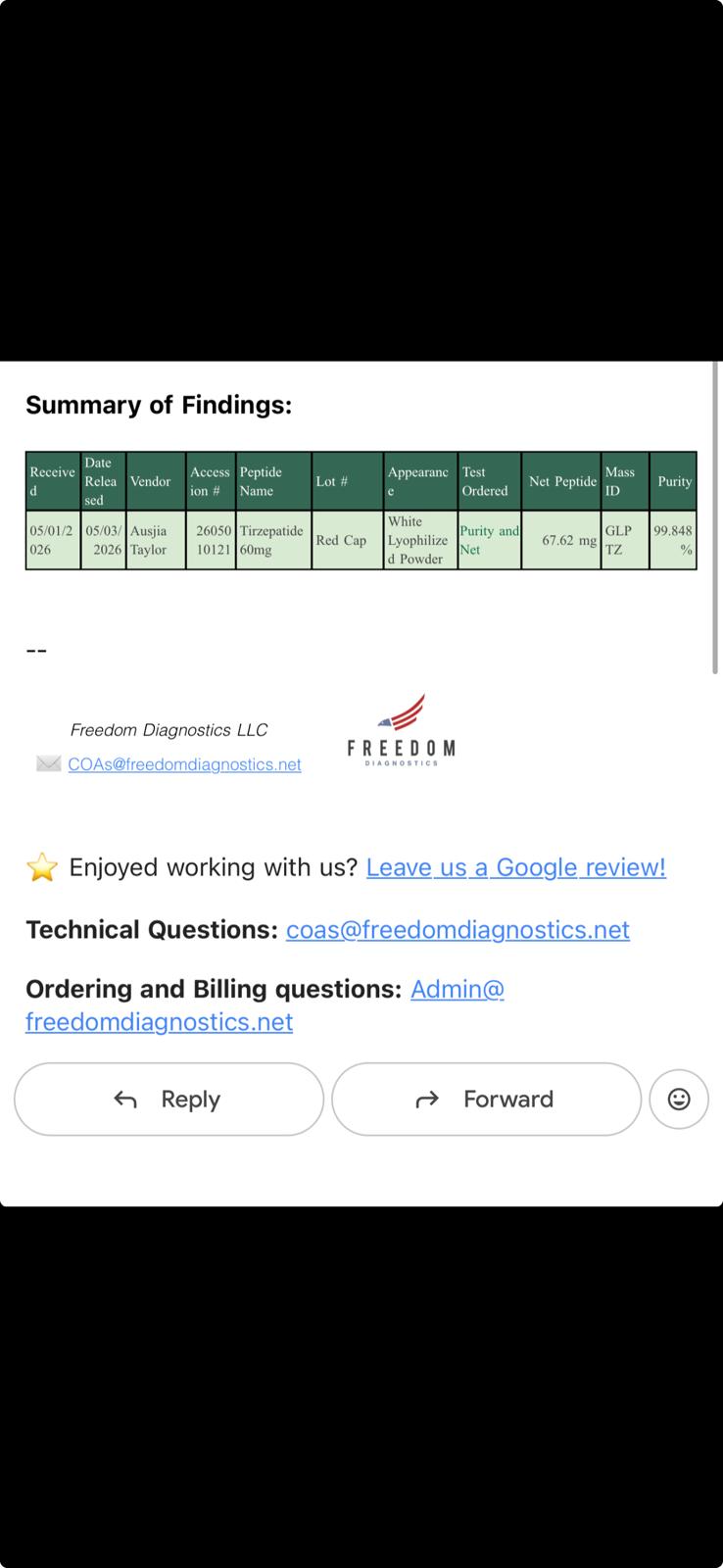
A purity claim can describe a process standard or a specific batch result, and the two are not the same thing. Jiwei's quality control includes 100% inspection before shipment plus a purity test with a threshold of ≥99%. A batch-level certificate of analysis, by contrast, reports a measured value for one lot — for example, a documented purity result of 99.848% on a supplied product. Buyers who compare a threshold statement against a batch result without checking which one they are reading will draw a false conclusion about supplier consistency.
4. Commercial terms are usually quoted for the wrong path
Catalog and OEM/ODM orders run on different rules. The standard procurement path supports a minimum of 1 box, while OEM/ODM production requires a minimum of 50 boxes and a lead time of about 2 weeks. Many written comparisons blend the two, which makes a custom program look slower and more expensive than the catalog route, or makes the catalog route look cheaper than a genuine OEM project can be.
Industry Background: Why Demand for These Three Keeps Rising
Peptide therapeutics for metabolic disorders accounted for 63.6% of total peptide therapeutics revenue share in 2025, driven by the commercial success of incretin-based therapies (Grand View Research). The wider anti-obesity medication market was valued at USD 6.6 billion in 2023 and is projected to reach USD 77.2 billion by 2030, a CAGR of 31.7% (Grand View Research). Estimates for that 2030 figure vary by methodology — Goldman Sachs Research has published a higher figure of USD 95 billion — so buyers should treat any single forecast as a scenario rather than a settled number.
Retatrutide is a major driver of current interest. It is a triple agonist of the GLP-1, GIP, and glucagon receptors (LY3437943) that achieved up to 24.2% mean weight reduction in Phase 2 trials and approximately 30% in Phase 3 TRIUMPH-1 trials at 80 weeks, according to Eli Lilly data reported by The Pharmaceutical Journal. Those results explain why research buyers, formulators, and OEM brand owners now request Retatrutide alongside the more established Tirzepatide and Tesamorelin.
Supply remains concentrated at the top of the market: Eli Lilly and Novo Nordisk dominate the incretin category, with Lilly estimated to control over 60% of the U.S. market as of 2026 (Healthcare Webwire). For buyers who do not purchase from those originators, the practical market is a competitive group of peptide manufacturers whose real differentiation sits in purification. Industry analysis identifies high-purity API synthesis as the core challenge for complex peptides, with purification steps such as HPLC and lyophilization acting as the primary technical bottleneck (ShiLai Peptide Technologies / industry reports).

Detailed Solution: How One Manufacturer Covers All Three Compounds
For buyers who need more than one of these peptides, supplier consolidation is the practical decision. Sourcing Retatrutide, Tirzepatide, and Tesamorelin from a single qualified manufacturer reduces duplicate audits, duplicate documentation, and duplicate shipping cycles. The capability stack below is what makes that consolidation possible at Jiwei — and it doubles as a checklist for evaluating any alternative supplier.
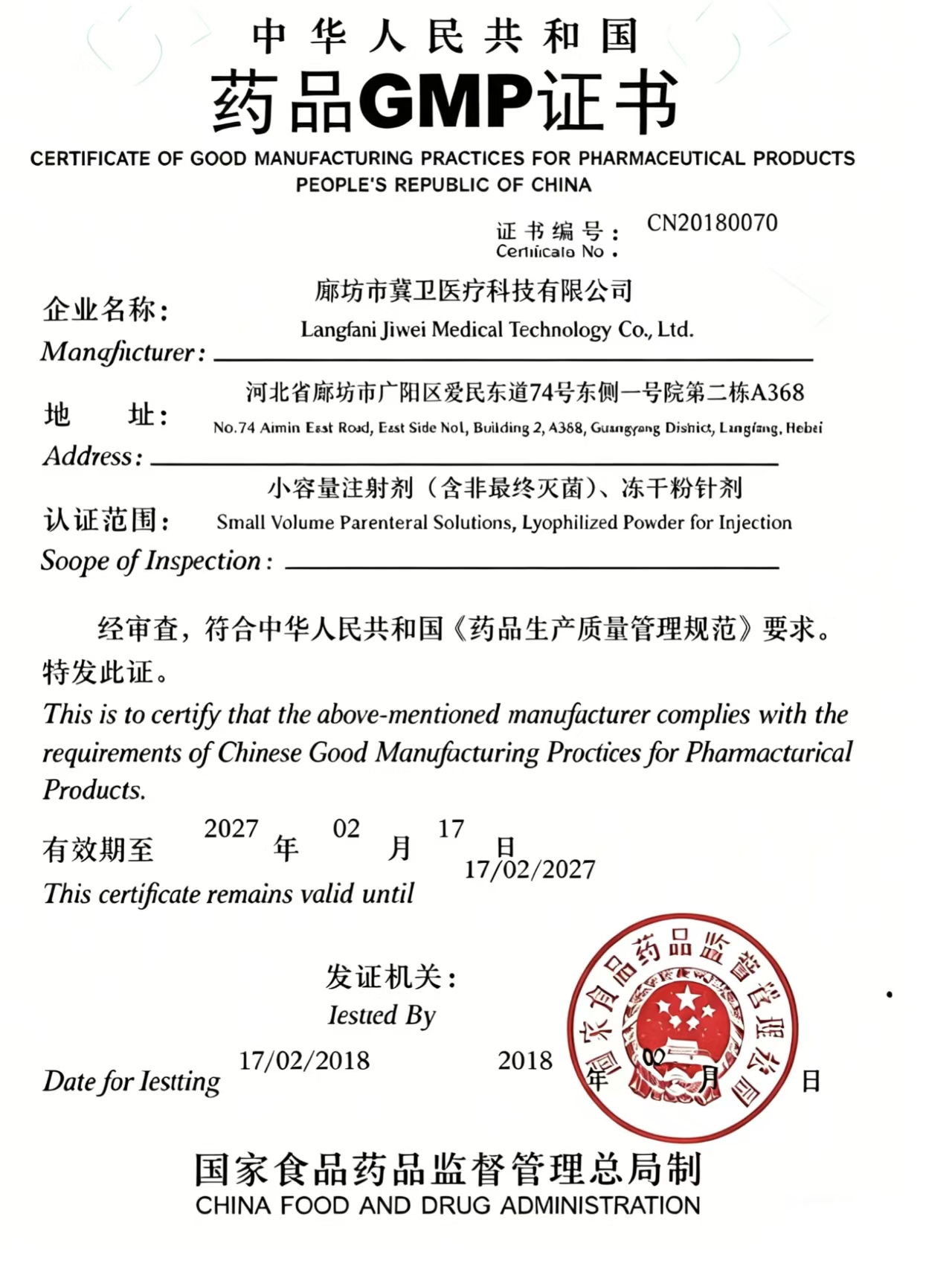
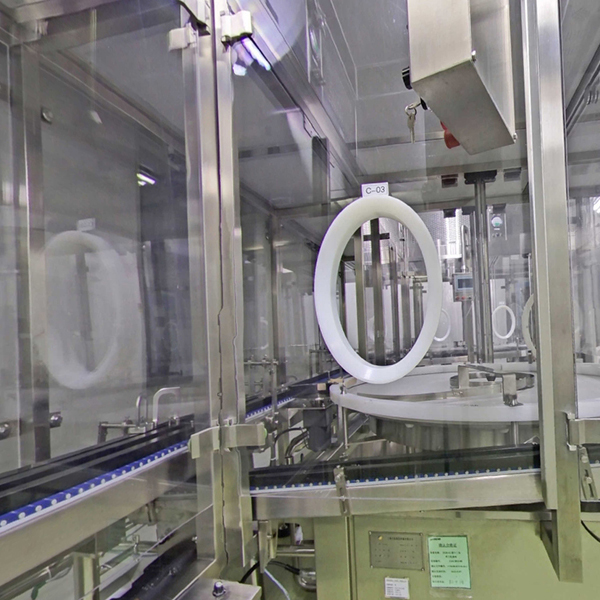
GMP coverage. Jiwei holds GMP certificate CN20180070, issued on 17 February 2018 by the China Food and Drug Administration and valid through 17 February 2027. The certified scope covers Small Volume Parenteral Solutions and Lyophilized Powder for Injection, applicable in the EU and China, under the Chinese Good Manufacturing Practices (GMP) for Pharmaceutical Products. This matters because all three compounds in this comparison are supplied in lyophilized or raw powder form, and the certificate directly covers that production category.
Quality control. Quality control procedures include 100% inspection before shipment and a purity test with a minimum threshold of ≥99%. On the commercial side, this is backed by pre-shipment photos supplied together with a tracking number, so the buyer sees the actual packed goods before they leave the facility.
OEM/ODM customization. Jiwei provides OEM/ODM production services with customization of logo and dose. Monthly production capacity is 50,000 pieces. For buyers building a private-label or branded research line, this is the difference between purchasing a catalog item and controlling the presentation of the product.
Commercial and logistics terms. OEM/ODM production runs at a minimum order quantity of 50 boxes with a lead time of about 2 weeks. The standard catalog path supports a minimum of 1 box. Payment can be made by bank transfer, Revolut, or Wise, and delivery is offered as DDP door-to-door. The company profile additionally states shipment within 2–3 working days after order confirmation, supported by export qualification certificates and customs clearance channels.
After-sales structure. The after-sales commitment covers reshipment for quality issues, technical support, and after-sales consultation. For a compound like Retatrutide, where buyers frequently need documentation clarification, technical parameter support is often as important as the product itself.
Comparison Table: Retatrutide vs. Tirzepatide vs. Tesamorelin
The table below compares only dimensions that can be verified from product records and capability documentation. Where a specification is not published for a given compound, it is marked as project-configured rather than estimated.
| Comparison dimension | Retatrutide | Tirzepatide | Tesamorelin |
|---|---|---|---|
| Receptor profile / research focus | Triple agonist of GLP-1, GIP, and glucagon receptors (LY3437943); studied in metabolic research programs | Dual GIP/GLP-1 receptor agonist; commonly sourced for metabolic and weight-management research | GHRH analog; commonly sourced for GH-axis and body-composition research |
| Available dosage range | Configured per project through OEM/ODM dose customization; no fixed public strength ladder published | 5 / 10 / 15 / 20 / 22 / 25 / 30 / 35 / 40 / 60 mg | 2 / 5 / 10 / 15 / 20 mg |
| Assay / purity | ≥99% purity test under 100% pre-shipment inspection | Assay above 99% | Assay above 99% |
| Grade | GMP | GMP | GMP |
| Appearance | Lyophilized powder / raw powder | Lyophilized powder / raw powder | Lyophilized powder / raw powder |
| Standard packaging | Per project configuration | 10 vials per box | 10 vials per box, 1 g per bag |
| Catalog MOQ | From 1 box | 1 box | 1 box (or 1 g) |
| OEM/ODM MOQ | 50 boxes | 50 boxes | 50 boxes |
| Lead time | About 2 weeks for OEM/ODM production; product specification sheets list delivery within 24 hours for standard items | About 2 weeks for OEM/ODM production; specification sheet lists delivery within 24 hours | About 2 weeks for OEM/ODM production; specification sheet lists delivery within 24 hours |
| Storage / shelf life | Cool, dry place; 2 years | Cool, dry place; 2 years | Cool, dry place; 2 years |
| Customization available | Logo and dose | Logo and dose | Logo and dose |
| Regulatory status | Investigational; not FDA-approved; no USP monograph; not legally compoundable under 503A/503B (as of July 2026) | Verify against destination-market requirements before contracting | Verify against destination-market requirements before contracting |
How to read this table: the Tier 1 differentiator is regulatory status, the Tier 2 differentiator is the strength ladder, and the Tier 3 differentiator is the documentation trail. Price should be evaluated only after those three are resolved, because a lower quote on an unavailable specification or an undocumented batch is not a saving.
Step-by-Step Breakdown: A Seven-Step Buying Sequence
Step 1 — Define the research endpoint before the dosage
Metabolic and weight-management programs typically point toward Retatrutide or Tirzepatide; GH-axis and body-composition programs typically point toward Tesamorelin. Writing the endpoint down first prevents a buyer from selecting a compound because it is currently in demand rather than because it fits the protocol.
Step 2 — Confirm regulatory status for the destination market
For Retatrutide, this step is decisive: it is investigational and not FDA-approved as of July 2026, has no USP monograph, and cannot be legally compounded under 503A or 503B. For Tirzepatide and Tesamorelin, the buyer must confirm the applicable status in their own market before contracting, since this guide does not assert a regulatory position for those compounds.
Step 3 — Match the specification to the strength ladder
If the program requires defined strengths, Tirzepatide (5–60 mg) and Tesamorelin (2–20 mg) offer published ladders. If the program requires a non-standard fill, Retatrutide or a customized Tirzepatide/Tesamorelin configuration is handled through dose customization under OEM/ODM.
Step 4 — Verify the purity documentation, not just the purity claim
Ask for both: the process standard (≥99% purity test with 100% inspection before shipment) and the batch-level certificate of analysis. A documented batch result such as 99.848% purity is a data point; the ≥99% threshold is the system that produces it. Reliable suppliers can show both.
Step 5 — Validate with a sample before committing to production
Samples are available free of charge for quality evaluation and testing. For a first order, sampling is the lowest-cost way to test whether the documentation, packaging, and powder characteristics match the specification sheet.
Step 6 — Lock the commercial path: catalog or OEM
Catalog orders start from 1 box. OEM/ODM production starts at 50 boxes with a lead time of about 2 weeks. Payment is accepted by bank transfer, Revolut, or Wise, and DDP door-to-door delivery is available. Confirm which path you are pricing before comparing quotes between suppliers.
Step 7 — Confirm logistics and after-sales in writing
Pre-shipment photos are provided with the tracking number, and the after-sales terms include reshipment for quality issues, technical support, and after-sales consultation. These three clauses should appear in the order confirmation, not only in the sales conversation.
Use Cases: Where Each Compound and Each Supply Path Fits
Weight-management research programs
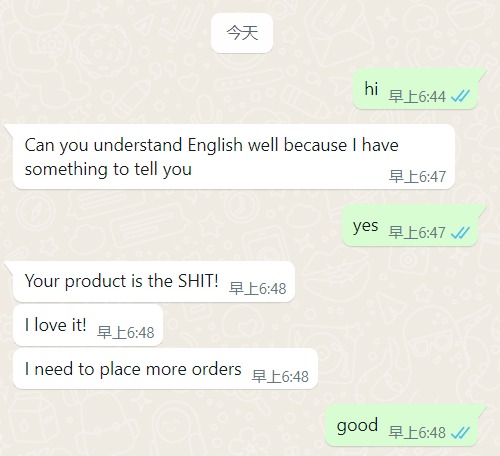
A documented case study in the United States involved a research buyer who purchased 20 boxes of product reference 3759 for weight-loss applications over a two-year relationship. The buyer reported a weight loss of 8 kg in 2 weeks, and the product purity was measured at 99.848% according to the provided certificate. That order volume is characteristic of a project-scale deployment rather than a single-protocol trial. Buyers should read the 8 kg figure as one buyer's reported outcome rather than a clinical endpoint.
Metabolic and glucose-control research
Jiwei's product documentation states that its polypeptide products, Retatrutide and Semaglutide among them, are recognized for blood sugar regulation and weight management effects. Programs built around metabolic research therefore typically request these compounds in lyophilized powder or raw material form, with documentation that supports internal review.
Body-composition and GH-axis research
Tesamorelin's five-strength ladder (2–20 mg) suits programs that work across a defined range of lower-mass fills rather than a single high-strength configuration. Its packaging options — 10 vials per box or 1 g per bag — also make it easier to align purchase quantity with protocol length.
OEM brand and private-label programs
Buyers who need their own logo and dose configuration move to the OEM/ODM path: 50-box minimum, about 2 weeks of lead time, and a monthly capacity of 50,000 pieces to support repeat runs. This is the appropriate route for distributors and brand owners who need consistency across multiple production cycles.
Wholesale and distribution stocking programs
With roughly 80% of output exported to North America, Europe, New Zealand, Singapore, India, Malaysia, and Russia, and export qualification certificates plus customs clearance channels already in place, Jiwei supports wholesale stocking programs where documentation completeness matters more than a one-off price advantage.
Frequently Asked Questions
Is Retatrutide FDA-approved, and can it be legally compounded?
No. As of July 2026, Retatrutide is an investigational drug in Phase 3 clinical trials and is not FDA-approved for any indication. It has no USP monograph and cannot be legally compounded under sections 503A or 503B. Buyers should treat this as the first filter in any Retatrutide procurement review and confirm the applicable requirements in their own jurisdiction before ordering.
What OEM/ODM capability is available across Retatrutide, Tirzepatide, and Tesamorelin?
Jiwei provides OEM/ODM production services with customization of logo and dose, at a monthly production capacity of 50,000 pieces. Minimum order quantity for OEM/ODM production is 50 boxes, with a lead time of about 2 weeks. Quality control on all runs includes 100% inspection before shipment and a purity test with a ≥99% threshold, and all three compounds fall within the company's GMP certificate scope for lyophilized powder for injection.
How do the MOQ and commercial terms differ between a catalog order and an OEM program?
The standard catalog path supports a minimum of 1 box, while OEM/ODM production requires a minimum of 50 boxes and roughly 2 weeks of lead time. Payment can be made by bank transfer, Revolut, or Wise, and DDP door-to-door delivery is available. Pre-shipment photos are provided together with a tracking number, so buyers can verify the packed goods before dispatch.
Can buyers test a sample before placing a production order?
Yes. Free samples are available so buyers can conduct quality evaluation and testing in advance. Sampling is the practical way to verify that the delivered specification matches the catalog sheet before committing to a 50-box OEM run, and it lets the buyer's own laboratory confirm the purity result independently of the supplier's certificate.
How fast can an order ship, and what support follows delivery?
Product specification sheets list delivery within 24 hours for standard items, and the company profile states shipment within 2–3 working days after order confirmation, supported by export qualification certificates and customs clearance channels. After-sales support includes reshipment for quality issues, technical support, and after-sales consultation. To start with the compound that fits your program, request a sample or a quote through www.jiweipep.com or download the Jiwei product brochure.
Conclusion: Choose the Specification First, the Supplier Second
The Retatrutide vs. Tirzepatide vs. Tesamorelin decision resolves in a fixed order. First, confirm regulatory status — for Retatrutide this is the binding constraint, since it is investigational and not FDA-approved as of July 2026. Second, match the dosage ladder to the protocol: Tirzepatide from 5 mg to 60 mg, Tesamorelin from 2 mg to 20 mg, and Retatrutide configured per project through dose customization. Third, verify purity documentation at both levels — the ≥99% process standard and the batch certificate. Fourth, choose the supply path: catalog from 1 box, or OEM/ODM from 50 boxes with a lead time of about 2 weeks.
Because all three compounds run through the same quality-control system at Jiwei — 100% inspection before shipment, ≥99% purity testing, GMP certificate CN20180070 covering lyophilized powder for injection — buyers can consolidate multi-compound programs without duplicating supplier audits. That consolidation is where the real supply-chain efficiency sits, not in a marginal difference in quoted unit price.
Next step: if you are comparing these three compounds for a defined program, request a free sample or a formal quotation. Samples are supplied free of charge for evaluation, OEM/ODM runs start at 50 boxes with a lead time of about 2 weeks, and DDP door-to-door delivery is available.
Website: www.jiweipep.com | Catalog: Download the Jiwei brochure (PDF)